





Africa's ambition to feed itself and trade its way to prosperity took a meaningful step forward on 14th February, when two of the continent's most influential institutions made their collaboration official.
On the sidelines of the 39th African Union Summit, the African Continental Free Trade Area (AfCFTA) Secretariat and AGRA signed a Memorandum of Understanding, setting the stage for a deeper, more purposeful working relationship. The agreement signals a deliberate shift from paperwork to practice, placing agriculture at the heart of Africa's continental trade ambitions.
With 50 countries now having ratified the AfCFTA Agreement, the conversation is no longer about whether Africa will trade more freely. It is about how. And for millions of smallholder farmers, agribusinesses, and food processors across the continent, the answer to that question matters enormously.
H.E. Wamkele Mene, Secretary-General of the AfCFTA Secretariat, said, "The AfCFTA offers Africa a historic opportunity to shift from exporting raw commodities to building regional value chains that create jobs, raise farmer incomes and strengthen food security.Our partnership with AGRA is about moving from ambition to execution, ensuring that agricultural trade delivers tangible benefits for producers, processors and consumers across the continent."
The partnership will be guided by the AfCFTA Agri-Trade Action Plan, a practical framework targeting the reduction of non-tariff barriers, stronger trade facilitation, investment in regional value chains, and greater emphasis on value addition within African borders.
For AGRA President Alice Ruhweza, the real test lies in making trade work for the people who grow Africa's food. "Trade will not transform Africa's food systems unless farmers and agri-enterprises are able to produce competitively, meet international quality standards, and connect to reliable markets," she said. "This partnership is about making intra-African food trade work in practice — linking policy to delivery so that agriculture becomes a driver of inclusive growth, resilience and shared prosperity."
Together, both institutions are betting that a well-functioning continental market is not just good economics — it is the foundation of a more food-secure, self-sufficient Africa.
AfCFTA and AGRA join forces to put farmers first
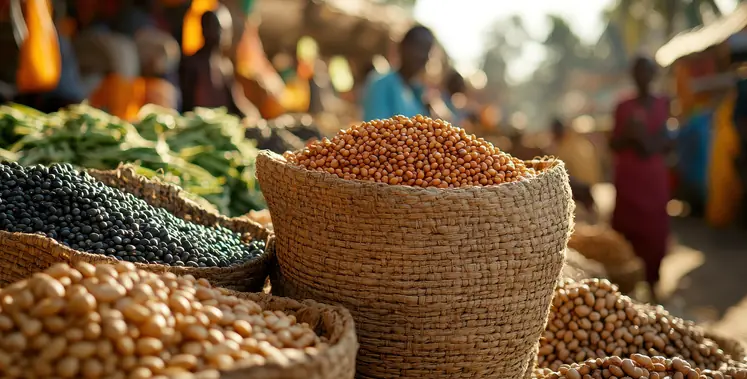
Africa's trade revolution:AfCFTA and AGRA join forces to put farmers first.