




Keeping agriculture at the forefront of national development, the Government of Ghana has launched the AgriConnect Compact framework driven by a self sufficient approach that ensures food security by cutting down imports, employment generation and investment mobilisation in targeted segments of the industry
Food and nutrition accessibility and job creation will drive the first phase of the project over the next few years at approximately US$3.5bn costs, which will be borne by the government with the World Bank's support alongside other development partners. The forest economy, cashew, coconut, rubber and fisheries are the country's strategic zones picked by the government for the implementation of production boost practices to leverage market reach and economic expansion. The compact will also work to strengthen Ghana's overall agri-food resilience, including produces such as cocoa, oil palm, rice, maize and poultry.
“Ghana’s AgriConnect Compact is a bold step toward building a more productive, resilient, and jobs-rich food system. By linking policy reform with investment and delivery, Ghana is creating the conditions to strengthen food security, support farmers and agribusinesses, and unlock private capital at scale,” said Guangzhe Chen, World Bank Group Vice President for Planet.
“AgriConnect is about turning Ghana’s agricultural potential into tangible results: more food on the table, more jobs for young people, and more value created here at home. This Compact provides a clear roadmap to modernize agriculture, support farmers, and build stronger value chains that can drive growth nationwide,” said Eric Opoku, Minister of Food and Agriculture.
“The Government of Ghana remains fully committed to working with all stakeholders to translate the aspirations of this AgriConnect Compact into tangible results for our people. This is Ghana’s moment to feed itself, employ its youth, build competitive industries and create wealth from its own soil," said Thomas Nyarko Ampem, Deputy Minister of Finance.
AgriConnect Compact to make Ghana self sufficient in food security
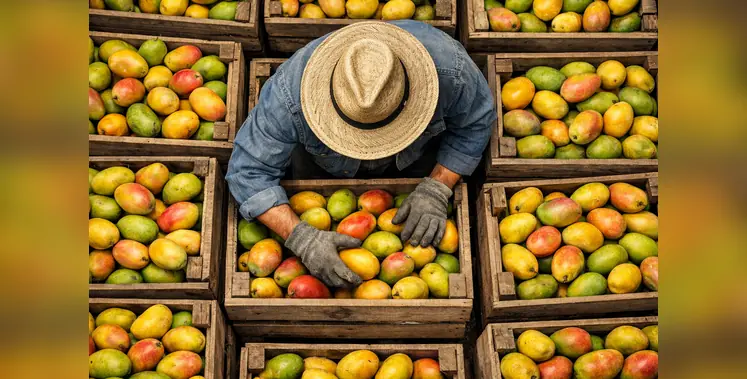
The compact will also work to strengthen Ghana's overall agri-food resilience.