





A landmark fertiliser manufacturing project rising in Dowa District is poised to redefine Malawi’s agricultural landscape, promising to boost food security, reduce import dependence and stimulate industrial growth.
The state-of-the-art fertiliser plant, owned by entrepreneur Napoleon Dzombe, is designed to produce an impressive 40 metric tonnes of fertiliser per hour enough to meet Malawi’s national demand in just 150 days.
Construction of the facility is progressing steadily, with installation of key manufacturing machinery already completed. According to project timelines, the plant is expected to begin production by April next year, while remaining construction works are scheduled for completion by January 2026. Once operational, the Dowa fertiliser factory will stand as one of the most significant private-sector investments in Malawi’s agricultural value chain.
Dzombe, founder and Managing Director of Mtalimanja Holdings Limited, says the plant’s production capacity will address long-standing fertiliser shortages that have often disrupted farming seasons across the country. "At that production rate, the factory can make enough fertiliser to serve the whole country within 150 days," Dzombe was quoted.
The project is widely seen as a strategic intervention at a time when Malawi continues to grapple with rising fertiliser costs, foreign exchange shortages and climate-related food insecurity. By manufacturing fertiliser locally, the plant is expected to stabilise supply chains, improve affordability for smallholder farmers and enhance agricultural productivity.
Dzombe explained that the decision to invest in local fertiliser production was motivated by the need to strengthen economic resilience and support farmers more sustainably. "For years, Malawi has been importing fertiliser at huge cost. This factory will significantly cut those expenses and ensure farmers access fertiliser on time and at more affordable prices," he said.
Beyond agriculture, the Dowa fertiliser plant is anticipated to deliver wide-ranging economic benefits. These include job creation, reduced pressure on foreign currency reserves, growth of local industries and improved national food security. Analysts believe the investment aligns with Malawi’s broader development goals of industrialisation, import substitution and private-sector-led growth.
As anticipation builds ahead of production commencement, Dzombe’s Dowa fertiliser project is increasingly being hailed as a game-changing milestone one that could reshape Malawi’s farming sector and position the country for a more self-sufficient and resilient agricultural future.
Dzombe’s Dowa fertiliser plant impact Malawi’s future
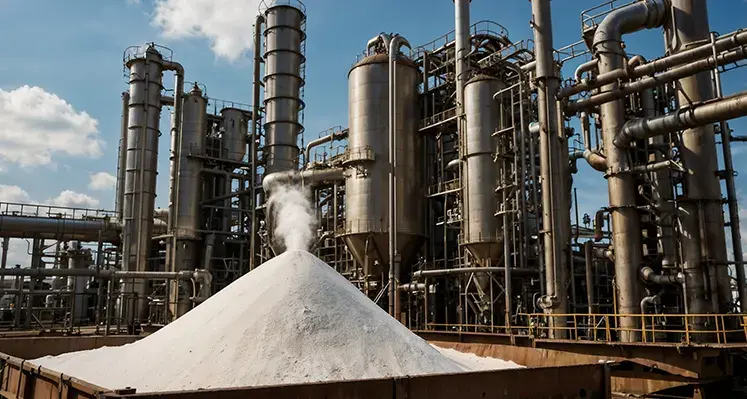
Dowa fertiliser plant is anticipated to deliver wide-ranging economic benefits.