





Food loss and waste may be playing a larger role in the spread of antimicrobial resistance than previously recognised, according to experts from the Food and Agriculture Organization of the United Nations.
Specialists at the agency say discarded food can act as a breeding ground for resistant microbes and genes, and should be included in national and global strategies that monitor and manage antimicrobial resistance.
Their findings are outlined in a new scientific review titled “Risk of antimicrobial resistance spreading via food loss and waste,” published in Infectious Diseases of Poverty. The study was led by four FAO experts, including Junxia Song, a senior animal health officer who now serves as Chief of the One Health and Disease Control Branch at FAO.
“Linking food loss and waste to AMR is both timely and strategic, as it creates an opportunity for coordinated action that reduces waste while strengthening global efforts to contain AMR,” said Junxia.
Antimicrobial resistance is already a growing global threat. The agricultural sector plays a significant part, with animal production responsible for nearly three quarters of antibiotic sales worldwide. Traces of drug residues and resistant genes have been detected in food sold at retail level and during consumption, particularly in meat, but also in vegetables such as carrots, lettuce and tomatoes. As resistance grows, medicines become less effective, contributing to millions of deaths each year.
The review highlights that food waste offers ideal conditions for bacteria to thrive. Research on kitchen waste and refuse from schools and hospitals has revealed high levels of genes resistant to a wide range of antibiotics, sometimes including newer treatments. In some cases, food waste has shown even greater concentrations of resistant genes than sewage sludge or swine manure, both long known to drive the environmental spread of resistance.
Animal based food waste appears to pose the greatest concern, especially fish waste. The authors stress the importance of prompt collection and proper control of discarded food. While composting can be beneficial, it may sometimes increase resistant genes unless carefully managed with full cycle processes and high temperatures. Anaerobic digestion, widely used to produce biogas, may help reduce antimicrobial resistance if the right techniques are applied.
Landfills remain a major destination for food waste. These sites can intensify risks, particularly when mixed with industrial, agricultural and medical waste, or when exposed to animals and water sources.
Thanawat Tiensin,FAO Assistant Director General and Chief Veterinarian, said,“Food is everyone’s business, and safeguarding its safety is a shared responsibility. Reducing the spread of AMR through food loss and waste demands coordinated action across every sector.”
The report calls for more research, especially in low and middle income countries where antimicrobial use is rising. It also highlights FAO initiatives such as InFARM and RENOFARM, which support countries in strengthening surveillance and reducing reliance on antimicrobials through a One Health approach.
FAO warns food waste fuels antimicrobial resistance
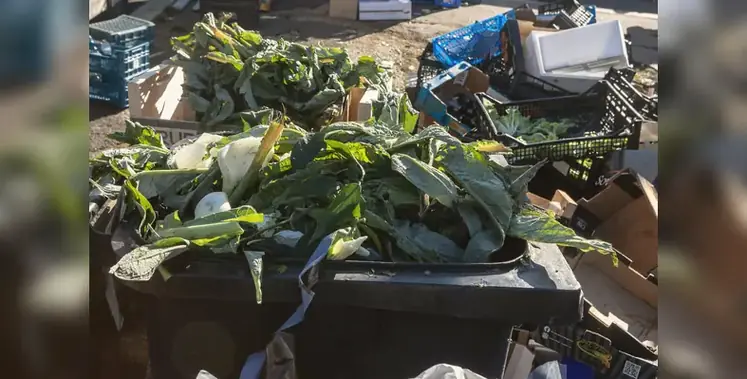
FAO experts warn food waste could fuel the spread of antimicrobial resistance.(Image credit: FAO)