





Regenerative and climate-smart farming practices are empowering coffee and tea farmers in Kirinyaga and Embu counties to grow climate resilient with improved yields, giving way to livelihoods security
Part of the Mt Kenya Sustainable Landscape and Livelihoods (MSULi) programme for spreading awareness on sustainable production and creating employment opportunities, this six-year initiative is implemented by Rainforest Alliance with support from the IKEA Foundation. When initiated in 2020, the campaign included more than 55,000 farmers from the Mt Kenya area, who are now well versed in sustainable farming practices, landscape restoration and climate adaptivity.
"Farmers have reported that they have been able to replace their old varieties with improved tea clones and coffee seedlings, and are now witnessing increased yields and better quality produce," said Rainforest Alliance Country director, Marion Nyaga.
The Rainforest Alliance 2025 Annual Report and Impact Data in Kagio, Kirinyaga county, has drawn positive response from private sector partners who brought affordable financing to farmers and agribusinesses. Coffee and tea production besides, farmers also learnt about natural resources conservation and enterprises diversification by growing avocado and macadamia as well.
The campaign saw farmers using environmentally friendly methods to restore biodiversity and boost soil health. The result reflected in the buzz of the bees and the croaking of frogs and toads driving pollination across Mt Kenya, which had till now suffered years of degradation due to unsustainable farming practices. The farmers were trained in compost-making to replace chemical fertilisers and pesticides, resulting in restored soil fertility and much less production costs. With enhanced moisture retention capacity, the soils are now capable of supporting dry spells that may run longer than usual.
The MSULi programme has been designed to generate maximum value even when it is not operational. It has a fully registered Landscape Management Board, a multi-stakeholders platform, to coordinate conservation and sustainable agricultural activities beyond the project's lifespan. "Regenerative agriculture is what our grandfathers and grandmothers used to practice. They planted different crops together, used manure and maintained healthy soils. We are simply bringing back those practices using modern knowledge," said Landscape Management Board trustee, Karugu Macharia.
Around 220 hectares of degraded forest that has been restored and more than 500 hectares of degraded farmland that has been rehabilitated in Mt Kenya landscape as part of the project is going to serve generations to come.
"We have created green enterprises and worked with financial institutions so farmers can access affordable loans to invest in climate-smart agriculture," said manager, Dida Wario.
Kenyan farmers embracing regenerative farming practices
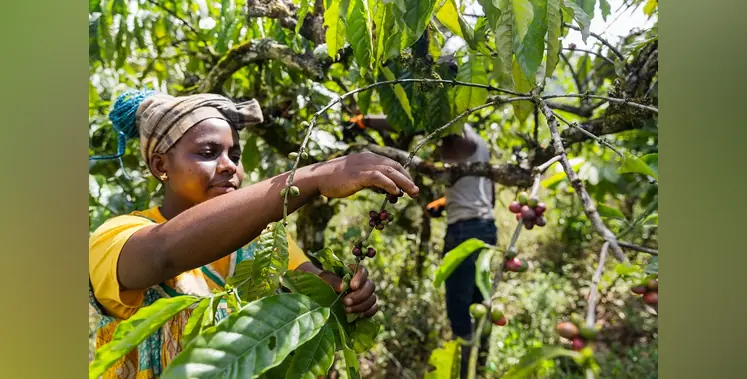
The MSULi programme has been designed to generate maximum value.