





Malawi’s tea industry has recorded a sharp decline in production during the third quarter of the year, yet paradoxically delivered significantly higher export earnings, according to the latest data released by the Reserve Bank of Malawi.
The contrasting performance highlights the resilience of one of the country’s most vital agricultural sectors despite ongoing production challenges.
Tea output fell dramatically to 4.7 million kilogrammes in the third quarter, down from 13.4 million kilogrammes in the previous quarter. This marks one of the lowest production levels seen in recent years and is also below the 5.5 million kilogrammes recorded during the same period last year. The decline has raised concerns among stakeholders, particularly given tea’s strategic importance to Malawi’s economy.
However, despite the sharp fall in output, export revenues from tea rose strongly. Earnings climbed to approximately K7 billion, more than double the K3.1 billion generated in the previous quarter. This growth was largely driven by higher volumes of tea sold on the international market, even though average prices were marginally lower.
Tea prices fell from about K1,195 per kilogramme in the previous quarter to around K1,838 per kilogramme during the quarter under review. While the price movement was unfavourable, increased sales volumes helped offset the decline, resulting in improved overall earnings.
Industry analysts note that the production slump aligns with Malawi’s well-established seasonal trends. Tea output typically peaks in the first quarter, eases during the second and third quarters, and begins to recover in the fourth quarter. Experts remain cautiously optimistic that production will rebound later in the year, provided weather conditions remain favourable.
Leaders within the tea sector say several initiatives are underway to boost long-term productivity and sustainability. These include enhanced support for smallholder farmers, improved dialogue between workers and tea companies, and the adoption of modern farming techniques alongside improved tea varieties.
Tea continues to play a crucial role in Malawi’s economy, contributing around eight percent of total foreign exchange earnings and accounting for 11 percent of national employment. The industry supports more than 60,000 jobs, both permanent and seasonal, underscoring its importance to livelihoods and economic stability.
Malawi's tea industry: surging exports amid production challenges
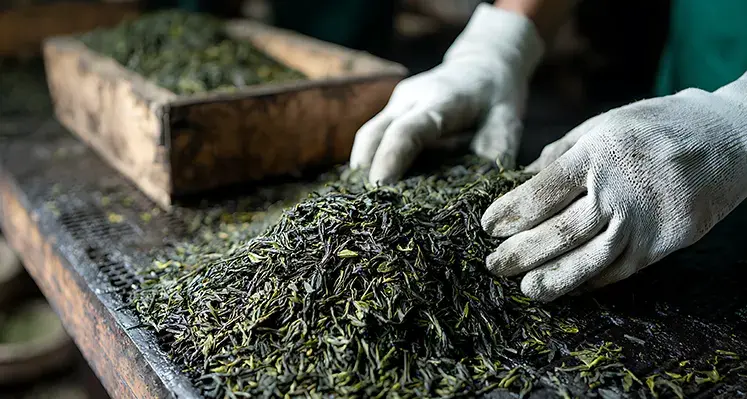
Tea continues to play a crucial role in Malawi’s economy.