





Disease prevention and herd health management require continuous health monitoring and farm-tailored vaccination programmes
Sound management practices include maintaining barn hygiene, access controls, early detection and modern preventive measures. Such practical solutions for economic livestock production will be addressed at the DLG Expert Stage: Biosecurity and Feed Safety by EuroTier, which is set to return in Hanover, Germany, from 10 to 13 November. There will be specialist presentations and panel discussions covering current challenges and practical solutions, from modern hygiene concepts and feed quality assurance to innovative technologies for herd management and disease prevention. Experts from farming, science, industry and advisory services will present the latest developments and future-oriented production and housing concepts.
Animal health remains central to effective livestock production, driving the significance of biosecurity management. Prevention is better than cure when it comes to addressing epidemics like African swine fever (ASF), foot-and-mouth disease (FMD) and highly pathogenic avian influenza (HPAI) to name a few. The right hygiene protocols can break infection chains and restore economic losses.
Optimised barn climate and customised feeding strategies can help boost overall performance even at a low cost for pig producers. Strict adherence to biosecurity measures, including herd depopulation and restricting movements, has made a huge difference in curbing the African swine fever.
Biosecurity practices have also helped check the spread of foot-and-mouth disease. Preventive measures such as maintaining consistency in barn and personnel hygiene, or vehicle disinfection, among others can protect farms keeping cloven-hoofed animals.
Biosecurity in the poultry sector can prevent seroious threats like avian influenza, with proper cleaning and disinfection practices. Alkaline cleaners can wipe out fat and protein residues, followed by disinfection with approved products and effectiveness testing through environmental swabs.
The separation of clean and dirty areas, changing footwear and clothing, regular handwashing and visitor logs are standard practice. External vehicles should avoid entering farm premises whenever possible. If vehicles must visit multiple farms, cleaning and disinfection are essential. Preventing contact between wild birds and feed, water or outdoor areas is also crucial, while rodent and insect control remain important components of disease prevention.
DLG Expert Stage to shed light on biosecurity and feed safety
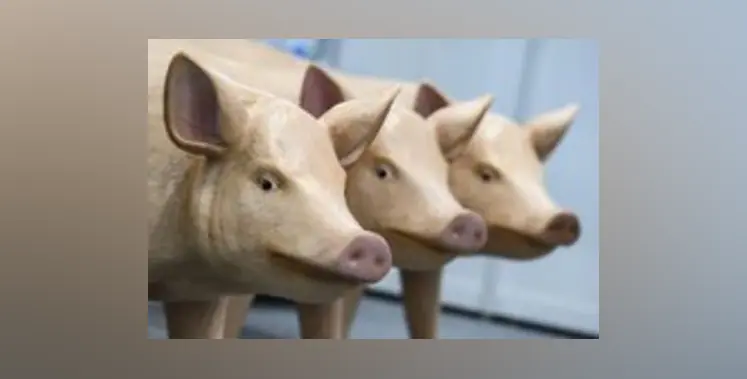
Biosecurity practices can boost overall performance even at a low cost for pig producers. (Image source: DLG)