



Rwanda is taking a significant step in modernising its livestock sector with the arrival of the first batch of 10 high-genetic-potential Holstein-Friesian dairy bulls imported from Germany.
This initiative is designed to strengthen breeding programmes and accelerate improvements in both dairy and beef herds. A second shipment of 20 bulls is expected by April 2026, featuring additional dairy breeds including Holstein-Friesian, Jersey, and Brown Swiss, alongside top beef breeds such as Angus and Charolais.
These elite bulls will be central to Rwanda’s national bovine artificial insemination (AI) programme, producing high-quality semen distributed nationwide to enhance cattle genetics. By providing farmers with superior semen rather than requiring the purchase of costly breeding animals, the initiative aims to increase productivity, improve herd health, and raise milk yields significantly above those of many local breeds.
The project forms part of Phase II of the Rwanda Dairy Development Project (RDDP-2), a US $100 million programme funded by the International Fund for Agricultural Development (IFAD) and running from 2024 to 2029. RDDP-2 aims to modernise Rwanda’s dairy value chain, raise milk quality standards, and boost overall sector productivity.
Rwanda’s efforts to improve livestock genetics trace back to the “One Cow per Poor Family” (Girinka) programme launched in 2006, which introduced improved dairy breeds to rural households. Since then, structured crossbreeding, artificial insemination, and veterinary support initiatives have led to notable gains in national milk and meat production, though authorities emphasise that expansion remains crucial to meet targets outlined in the country’s Strategic Plan for Agricultural Transformation.
By integrating high-genetic bulls and modern AI techniques, Rwanda is laying the foundation for a more productive, resilient, and competitive livestock sector, supporting farmers while contributing to the country’s broader agricultural development goals.
High-Genetic bulls enhance Rwanda’s dairy
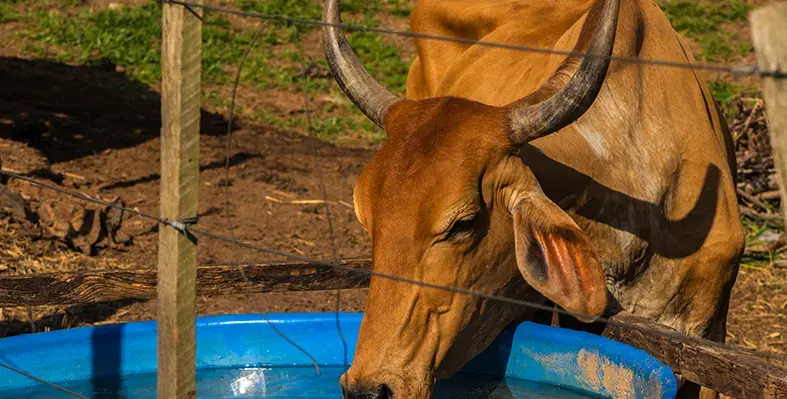
Rwanda is laying the foundation for a more productive, resilient, and competitive livestock sector.