





While cyclical and structural factors will continue to affect animal protein production in 2026, demand will rise by 14% by 2035, said Nan-Dirk Mulder, senior global specialist in animal protein at Rabobank while speaking at AFMA’s 12th Animal Feed Conference at Sun City
With long-term demand mostly driven by poultry and eggs, the world will seek animal protein largely from emerging markets, especially Asia, Latin America and Africa.
For now, seafood is leading production growth, followed by poultry, as pork and beef might see contraction, marking the first reduction in global terrestrial species output in six years. Mulder said that Rabobank is expecting a tight cattle supply with high prices, with the poultry industry looking strong, especially when considering global animal protein consumption.
“The animal protein market will grow by 1,4% per year, and in 2026 this growth will be driven by poultry, eggs, and seafood,” he said.
“While we expect feed costs to remain steady, in both mature and developing markets, a focus on increasing efficiency and productivity will be critical at the farm and processor level.”
Geopolitical volatilities are impacting trade policies, and new agreements can provide a boost to the industry.
“El Niño weather risk is rising for the rest of the year, and although the phenomenon leads to drier conditions in the Southern Hemisphere, it normally also leads to more bullish prices,” he said.
Animal protein industry tackles market disruptions
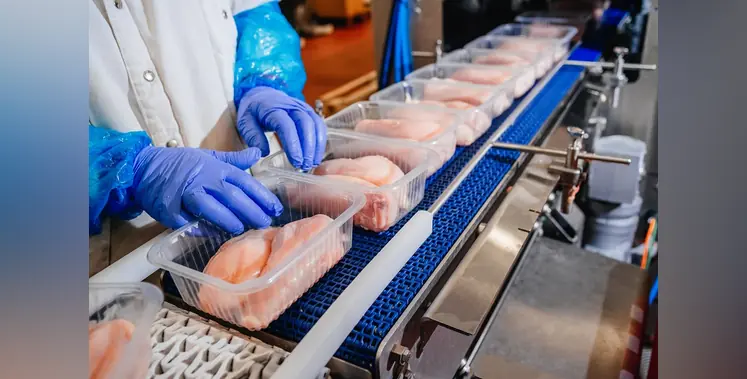
Pork and beef demand might see contraction.