Togo is set to develop 1,500 hectares of new agricultural zones in the Kara region in 2027, as the government seeks to strengthen farmland development, expand local processing and improve market access for producers
The planned development of 1,500 hectares of new Zones d’aménagement agricole planifiées (ZAAP) will be accompanied by work on a further 1,500 hectares of existing lowland areas in Kara.
The government also intends to strengthen 155 existing ZAAP. The zones bring producers together around developed farmland and facilitate access to agricultural equipment and services. Their expansion and improvement are intended to provide a more organised production base for farmers in the region.
Togo had 231 ZAAP nationwide in February 2026, including around 20 designated as centres of excellence. These sites receive additional support for mechanisation, farming practices and producer organisation.
The proposed investment therefore builds on an existing network rather than establishing a new system from scratch. Maintaining the facilities and ensuring farmers can access the necessary equipment and services will be important to making the additional land productive.
Processing capacity and market links feature in plans
Alongside farmland development, the 2027 programme includes several measures aimed at strengthening agricultural processing in Kara:
Seven agricultural processing centres: Already constructed and presented as ready to operate in November 2026, the centres are scheduled to become operational in 2027.
Three rice-processing units: The government plans to establish these units to increase local capacity for rice handling.
Agro-park infrastructure: Further facilities are planned within the agro-park to support agricultural activities.
Producer and buyer agreements: Contractual arrangements are proposed between producers, processors and exporters to strengthen commercial links.
The focus on rice processing is relevant to wider efforts to develop domestic and regional value chains. Across sub-Saharan Africa, rising rice demand and dependence on imports have increased the importance of investment in production, processing and market infrastructure. Strengthening these connections is also central to Africa's wider drive towards rice self-sufficiency.
For farmers in Kara, the availability of processing facilities and established buyers could provide more reliable outlets for harvested crops. However, the benefits will depend on the centres having the equipment, operational capacity and supply arrangements needed to handle produce consistently.
Implementation remains the next test
The proposed developments form part of Togo's wider agricultural development plans for the Oti and Kara basins. By combining land development with processing infrastructure and commercial agreements, the government aims to address constraints across several stages of the agricultural value chain.
The measures remain proposals under the draft 2027–2029 programme budget. The announcement does not specify the locations of the new zones, project-level financing or detailed implementation schedules. The final budget and subsequent execution will determine how quickly the planned works proceed.
Togo's ability to translate the proposals into functioning agricultural facilities will be central to their impact. For producers, the value of the expanded ZAAP network will ultimately depend on access to productive services, processing capacity and dependable markets.
Togo to develop 1,500 hectares of new agricultural zones
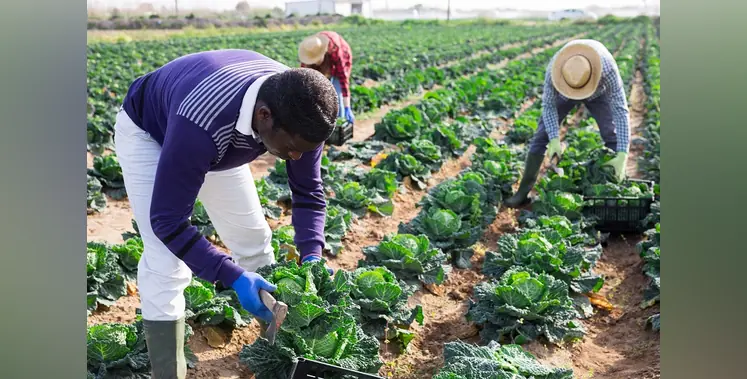
Togo’s 2027 agricultural development programme proposes 1,500 hectares of new ZAAP