





The demand for advanced coolant technology is growing steadily across the world as industries evolve and machinery becomes more sophisticated
Efficient cooling is now a key requirement rather than an added feature, playing a vital role in maintaining performance, ensuring safety and extending the lifespan of engines and equipment.
A major factor behind this growth is the continued expansion of the automotive sector. With more vehicles being produced and used globally, the need for dependable cooling systems has increased. Modern engines, including hybrid and electric models, operate under higher temperatures and require specialised coolants that can deliver improved thermal control. This has encouraged manufacturers to focus on creating more durable and efficient coolant solutions that can meet changing engine demands.
Industrial development is also contributing to the rising demand. Equipment used in manufacturing, construction and agriculture relies heavily on effective cooling to function smoothly. As industries move towards more advanced and high capacity machinery, the need for high performance coolants becomes even more important. These modern fluids are designed to offer better heat transfer, protect against corrosion and last longer, helping businesses maintain efficiency and reduce downtime.
Sustainability is another key factor shaping the direction of the market. With stricter environmental regulations in place, there is a clear shift away from traditional chemical based coolants towards safer and more eco friendly alternatives. Bio based and recyclable coolants are gaining popularity as industries aim to reduce their environmental impact while maintaining performance standards.
Innovation continues to drive progress in this field. New coolant formulations, including organic acid and hybrid technologies, are being developed to improve durability and reduce maintenance needs. These advancements not only enhance performance but also help lower long term operating costs.
However, challenges remain. The cost of producing advanced coolants can be high, and fluctuating raw material prices may slow adoption in some regions. At the same time, the rise of electric vehicles is changing cooling requirements, creating both uncertainty and new opportunities for manufacturers.
Rising Need for Advanced Coolant Technology Across Industries
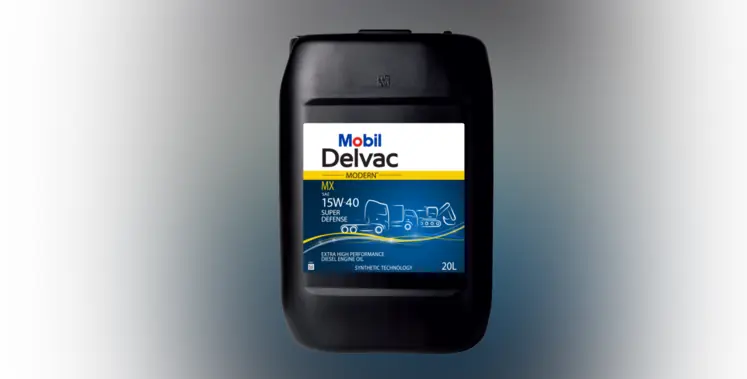
Rising Need for Advanced Coolant Technology Across Industries (Image credit: AG Lubricants)