





Senegal is taking a major leap in modernising its agricultural pest-control systems.
The Direction de la Protection des Végétaux (DPV) has introduced six “new-generation” drones to strengthen surveillance and phytosanitary operations across the country. This initiative marks the first time drones are being deployed in Senegal’s plant-protection efforts and underscores the nation’s growing commitment to leveraging technology in agriculture.
According to a communication from the Ministry of Agriculture, the drones are capable of covering 25 hectares of farmland per hour, enabling the DPV which has overseen crop monitoring and phytosanitary control since 1974 to carry out its operations with far greater efficiency and precision.
Beyond increasing productivity, the drones are designed to make fieldwork safer for staff. The DPV emphasised that the technology will “reduce staff exposure to chemical treatments, improve response times, and elevate the overall quality of interventions.” This innovation not only accelerates pest control measures but also ensures that interventions are more targeted and environmentally responsible.
The successful integration of drones into Senegal’s agricultural system is credited to a strategic partnership with the country’s Air Force. Under the leadership of Colonel Ousmane Ngom, a dedicated team of remote pilots and technicians has been trained to operate these advanced machines, ensuring that the technology is used effectively and safely.
The introduction of drones is particularly timely given the ongoing pest challenges facing Senegalese agriculture. In its 2023 report, the DPV highlighted the spread of the Fall Armyworm, which was first detected in Senegal in 2018 and continues to migrate between departments, posing a significant threat to maize crops. According to the Food and Agriculture Organization (FAO), this pest alone accounts for losses of approximately 18 million tonnes of maize annually across Africa.
In addition to the Fall Armyworm, the DPV continues to monitor other damaging pests, including locusts, blister beetles, and fruit flies the latter of which is especially destructive for mango production.
For Senegal, the adoption of drone technology represents a clear shift towards precision agriculture and modern farming practices. The country aims to enhance food security, improve agricultural resilience, and deliver faster, safer, and more effective pest control measures. As the DPV deploys these aerial tools for the first time, Senegal is positioning itself at the forefront of agricultural innovation in West Africa.
Senegal boosts plant protection with new drone technology
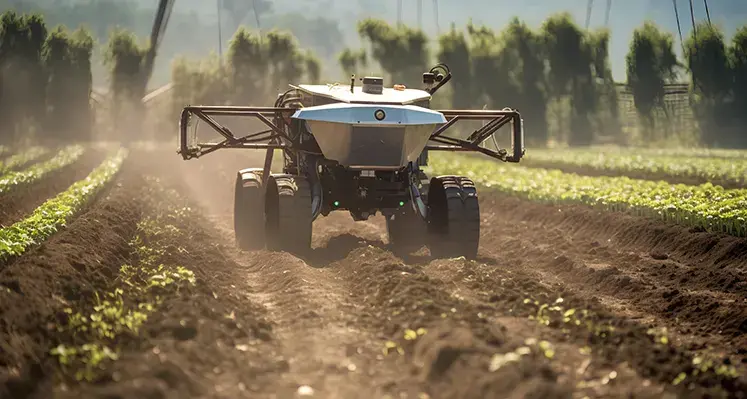
Senegal boosts plant protection with new drone technology.