





As part of the Transforming African Agricultural Universities to Meaningfully Contribute to Africa's Growth and Development (TagDev 2.0) programme that has been designed to boost high value crop yield and educate farmers on Artificial Intelligence, the Malawi University of Science and Technology (MUST) has introduced an AI-powered fertigation system that digitalises irrigation and fertiliser application by leveraging real-time data
The project is set to become an exemplary climate-smart agriculture, working wonders on boosting crop production.
The installation is already operational at a greenhouse built in MUST's main campus in Thyolo, which will be supporting the growth of tomatoes, bell peppers and cucumbers.
“We are using AI to make farming more efficient, productive and climate-resilient while providing students and communities with practical skills that can transform agriculture,” said Jabulani Nyengere, senior lecturer in geoinformatics and postgraduate coordinator at MUST, who has been spearheading the project. He explained that the system ensures sustainability by cutting down water and nutrient waste. It works from the combined effects of AI, precision irrigation and automated fertiliser management.
The advanced technology is designed to decode crop growth data without any breaks and automatically adjusts water and nutrient levels, ensuring plants receive the right inputs while conserving resources, he said.
The project aligns with MUST's vision on advancing research and development on innovation and technology to address food security, climate change and sustainable agricultural development.
The smart system combines irrigation and fertiliser application, automatically adjusting in real time the crop estimates according to their growth stage. As the right quantity of nutrients are secured for the crops at the right time, less waste is generated, ensuring boosted productivity, crop quality and efficient use of resources.
MUST deploys AI-powered fertigation system
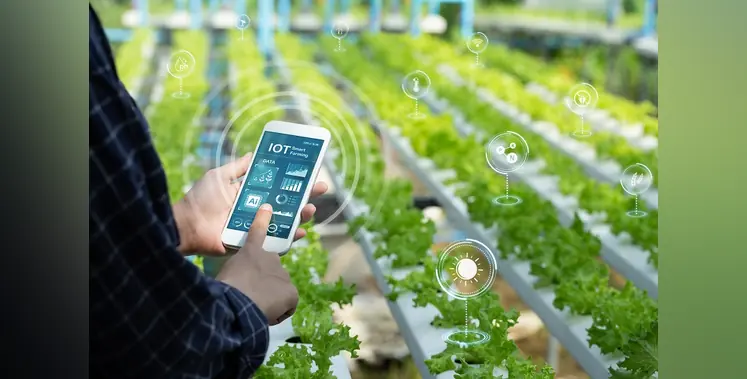
The project is set to become an exemplary climate-smart agriculture.