





The Licensed Cocoa Buyers Association of Ghana has issued a strong warning over growing financial pressures in the cocoa sector, urging the government to urgently secure a funding facility to support the purchase of about 300,000 metric tonnes of cocoa between now and September.
The association said delays in financing are placing licensed buying companies under severe strain and could eventually lead to the collapse of the cocoa buying system if no immediate action is taken. It stressed that any funds raised must be strictly reserved for cocoa purchases, noting that the primary responsibility of the Ghana Cocoa Board is to buy cocoa beans produced by farmers.
Addressing a press conference in Accra, the Executive Secretary of LICOBAG, Victus Dzah, said uncertainty around the current farmgate price of cocoa was worsening anxiety across the entire value chain.
“The government must urgently make a determination on the current farmgate price of cocoa to allay the apprehension of all value chain actors,” he said.
Mr Dzah explained that since the 2023 to 2024 cocoa season, the industry has struggled with serious funding gaps following COCOBOD’s failure to secure its usual syndicated loan facility.
“Instead of the usual annual syndication of US$1.3bn or more, COCOBOD was able to raise only $500 million, which was secured six months after the opening of the season on September 8, 2023. As a result, Licensed Buying Companies (LBCs) were compelled to pre-finance cocoa purchases through facilities raised from various banks at very high interest rates, with the Ghana Reference Rate standing at 29.8 per cent at the time,” he explained.
According to him, part of the current crisis stems from the COCOBOD and Cocoa Marketing Company off taker shipment arrangement, which he said failed to respond effectively to prevailing market conditions.
“Why should we move from a period of rollovers in the previous season because COCOBOD could not deliver on their contracts, and this season we cannot buy cocoa produced by farmers because our pricing mechanism is not competitive enough?” he asked.
Dzah said traders failed to enter the market early and take advantage of high global prices, worsening the situation. He revealed that COCOBOD only made its first payment for cocoa delivered to the port on January 26, 2024, six months after delivery, despite farmers having already been paid in full by LBCs.
“This unfortunate development pushed all LBCs into huge debts, leading to the total collapse of many companies,” he remarked.
He added that the debt burden continues to grow as COCOBOD has not compensated LBCs for the high interest costs incurred during pre financing, despite earlier assurances.
Calling for reforms, Dzah urged COCOBOD, CMC and traders to adopt more proactive sales strategies, strengthen oversight of trading operations and build professional capacity within the system. He also appealed for an end to what he described as “rhetorics and theatrics”, urging COCOBOD to focus on its core mandate and divest from non essential businesses.
Cocoa buyers warn of mounting debt as funding delays bite
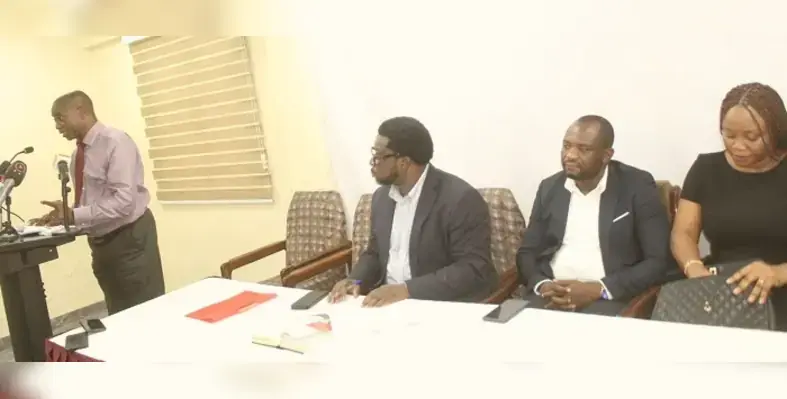
Cocoa buyers warn of mounting debt as funding delays bite (Image credit: Ghanaian Times)