Farmers in Kenya are putting low-cost soil conservation measures in place ahead of the October–December rainy season, as forecasts point to above-average rainfall in many parts of the country
The preparations follow destructive floods in 2024 that washed away fertile topsoil, damaged crops and left many growers facing significant recovery costs. The latest efforts aim to protect farmland from further erosion while helping farmers manage the risks associated with prolonged wet spells and intense rainfall.
Farmers seek to prevent further soil losses
The 2024 floods caused substantial losses for farmers in parts of Kenya, washing away fertile topsoil and destroying vegetable crops such as kale, spinach, cabbage and potatoes. In affected areas, restoring damaged farmland required bringing in replacement topsoil from other farms, adding labour and costs before cultivation could resume.
The effects of erosion can extend beyond the immediate destruction of crops. When nutrient-rich topsoil is removed, the less productive subsoil beneath it is exposed, potentially affecting moisture retention and crop yields in subsequent seasons. For commercial crops such as coffee, declining soil productivity can also affect farm incomes and export earnings.
To limit further damage, farmers are adopting practical measures suited to their land. These include placing sand-filled sacks in trenches, using soil-filled sacks to create barriers against runoff, and planting Napier grass and bamboo along vulnerable sections of farmland. The vegetation helps hold soil in place, while Napier grass also provides fodder for livestock.
Soil management practices to reduce erosion
Agronomist Samuel Munyiri recommends several soil-management practices to help farms withstand heavy rainfall and protect productive land. These include:
Terracing: Creating level or stepped sections on sloping land to reduce the speed of water runoff.
Gabions: Installing mesh structures filled with rocks to stabilise slopes and control soil movement.
Planting across slopes: Arranging crop rows across the contour of the land rather than down the slope to interrupt water flow.
Cover crops: Maintaining vegetation over the soil to reduce direct exposure to rainfall and limit erosion.
These methods can also form part of broader regenerative farming approaches, which include maintaining soil cover, diversifying crops and reducing soil disturbance. The choice of practices will depend on the farm's terrain, soil conditions, available resources and cropping system.
Crop choices and harvest timing matter
Prolonged rainfall can also affect crop development, making planting schedules and crop selection important considerations for farmers. Munyiri advises growers to consider how different crops respond to wet conditions and adjust their planting schedules accordingly. Cereals such as maize, wheat and barley can generally tolerate wetter conditions better than some pulses and vegetables.
Beans, potatoes and cabbages may be more vulnerable to extended periods of heavy rain. Where possible, farmers should plan planting dates around expected rainfall patterns to avoid exposing sensitive crops to prolonged wet conditions.
The timing of the short-rains season also creates challenges for Kenya’s maize harvest. As the crop is harvested during this period, persistent rainfall could make it difficult for farmers to dry grain adequately. Poor drying and moisture during storage can increase the risk of aflatoxin contamination, affecting grain quality and marketability.
Weather forecasts key to farm preparation
The Kenya Meteorological Department’s November 2026 forecast, issued on 4 November, expects above-average rainfall across much of the country. Counties listed include Kiambu, Kirinyaga, Nyeri, Kilifi, Mombasa, Kisumu, Kakamega and Nakuru, among many others. The department also expects warmer-than-average temperatures nationwide.
Timely access to weather information can help farmers decide when to plant, harvest and carry out field operations. The Kenya Meteorological Department provides daily, weekly, monthly and seasonal forecasts to support planning across sectors, including agriculture.
Combining effective erosion controls, suitable crop choices and timely weather information can help farmers protect productive land, manage seasonal risks and reduce losses during periods of heavy rainfall.
Kenyan farmers adopt soil conservation measures ahead of heavy rains
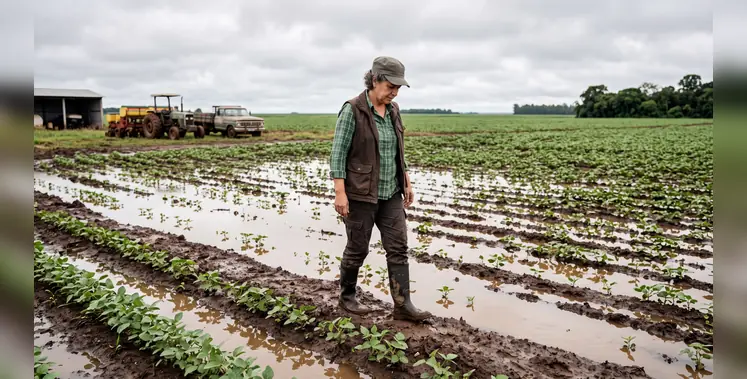
Farmers in Kenya are putting low-cost soil conservation measures in place ahead of the October–December rainy season.