






South Africa’s Department of Agriculture has issued an important update on the spread of Goss’s Wilt, a serious bacterial disease affecting maize
The announcement is directed at farmers, growers and the wider public, highlighting a change in the distribution of the disease and the need for continued awareness.
The disease was first identified in 2024 in four provinces, namely Free State, North West, Gauteng and Eastern Cape. After a detailed survey carried out in 2025, it has now been confirmed in additional regions including Limpopo, Mpumalanga, Northern Cape and Western Cape. At present, KwaZulu Natal remains the only province where no cases have been reported.
Efforts to manage the disease are ongoing, with the department working closely with research bodies and industry partners. Current work includes building a collection of local bacterial strains, improving testing and monitoring systems, and identifying maize varieties that can better tolerate or resist the disease. There is also a strong focus on sharing knowledge between farmers, scientists and policymakers, as well as developing practical guidance suited to different regions.
Goss’s Wilt is regulated under national agricultural laws, with measures in place to limit its spread. These rules are aimed at protecting unaffected areas by controlling the movement of plant material and farming equipment from infected zones. Maize remains the only crop of economic importance that is known to be affected.
The disease can spread in several ways. Within fields, it can move from plant to plant through direct contact. Over longer distances, it may travel through infected seeds, although this is considered rare. A more significant risk comes from farm equipment such as harvesters and planters, which can carry infected plant material between fields if not properly cleaned.
There are currently no chemical treatments available to control Goss’s Wilt. Farmers are therefore encouraged to rely on good farming practices, such as crop rotation, use of resistant varieties and careful handling of equipment. Strong hygiene and biosecurity measures remain essential to limit further spread and protect maize production across the country.
South Africa raises alert as goss’s wilt spreads across maize regions
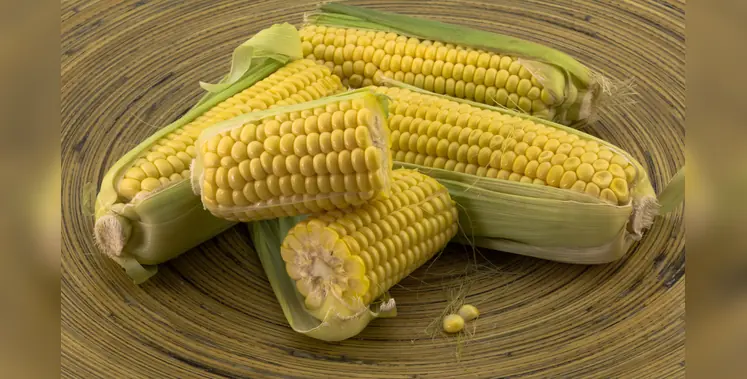
South Africa raises alert as goss’s wilt spreads across maize regions