





Tanzania is taking decisive steps to strengthen its tea industry as the Tea Board of Tanzania recently brought together leading stakeholders for a high level strategic engagement.
The meeting united tea factory processors and large scale producers with a shared goal of driving higher production levels, enhancing global competitiveness and improving livelihoods for farmers across the country.
One of the most pressing issues raised during the discussions was the rising cost and unreliable supply of electricity affecting tea processing facilities. These energy challenges continue to undermine operational efficiency and reduce profit margins. Stakeholders strongly advocated for promoting the use of clean and alternative energy sources, including renewable technologies, as a practical solution. Clean energy adoption was presented as a pathway to lowering production costs, reducing environmental pressure and building a more sustainable and resilient tea value chain.
Beyond energy concerns, participants examined current pricing frameworks and identified the need to reinforce the Green Leaf Pricing system. A more responsive pricing structure that reflects regional production conditions, infrastructure availability and real operational costs was seen as essential for ensuring fair compensation for growers. Collaboration with the government to improve the investment environment and expand access to affordable financing was also highlighted as critical for sector wide growth.
Addressing the gathering, Beatrice Banzi encouraged industry players to continue investing in tea quality while tapping into emerging export markets and stimulating domestic consumption. She noted that strengthening the tea industry would generate employment, increase incomes for both smallholder and commercial farmers and contribute meaningfully to national economic development.
These efforts align closely with the National Development Vision 2050, positioning tea as a strategic agricultural commodity capable of supporting Tanzania’s long term economic resilience, sustainability and inclusive growth.
Tanzania powers tea sector with clean energy
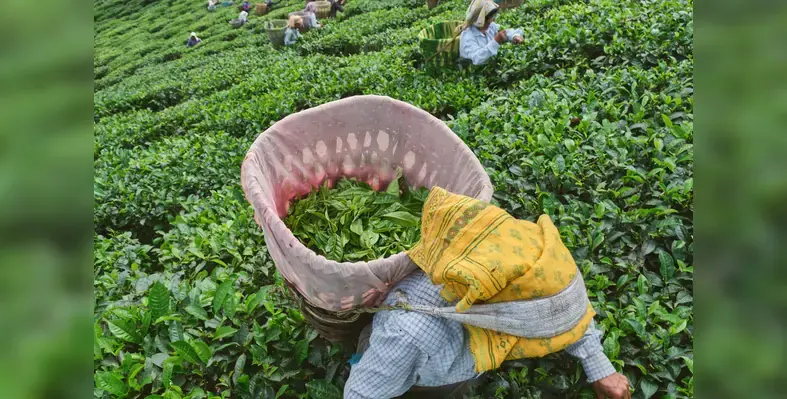
Tanzania powers tea sector with clean energy.