





Fish cage farming on Lake Victoria is gaining momentum as a powerful driver of income growth, sustainable aquaculture and environmental recovery in Tanzania’s Lake Zone.
Farmers involved in a government-supported programme say the floating cages are not only improving household earnings but also unintentionally restoring natural fish breeding grounds that were severely degraded by decades of illegal and unregulated fishing.
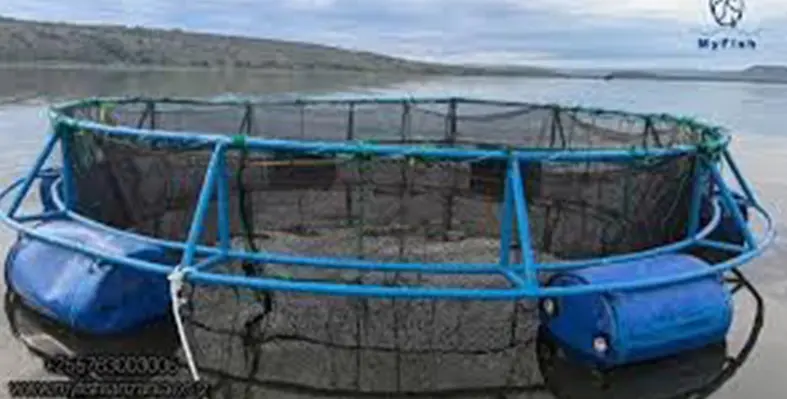
According to local fish farmers, the cages function as protected aquatic sanctuaries. Fishing activities are restricted around the installations, allowing wild fish species to gather, shelter and reproduce undisturbed. The structures attract fish seeking safety and food, creating ideal conditions for spawning and fingerling development.
“The cages automatically create natural hatchery grounds,” said Mselikale Mkiju, secretary of the Chembaya Fish Farm Group in Nyakaliro ward, Buchosa district. “Wild fish come to hide under the cages because they are protected, and they benefit from the feed that sinks from above.”
Mkiju explained that leftover feed beneath the cages provides a steady food source, while the cage mesh allows naturally bred fingerlings to enter and grow safely alongside farmed fish.
“They are very small, about 0.1 grams, compared with around 0.3 grams for the farmed fish, so they easily penetrate the cages,” he said.
The Chembaya group is among beneficiaries of a national fish cage farming initiative launched by President Samia Suluhu Hassan and implemented by the Tanzania Agricultural Development Bank (TADB) in partnership with the Ministry of Livestock and Fisheries. The programme offers interest-free loans to organised fishing groups, aiming to modernise the fisheries sector, formalise jobs and expand opportunities for young people and women.
Beyond environmental benefits, farmers say naturally occurring fingerlings have become an unexpected commercial advantage. The wild fish grow faster due to abundant feed, increasing harvest volumes and overall profitability. Some farmers believe the colourful fingerlings could even support eco-tourism around Lake Victoria.
However, challenges remain. Farmers are calling for stronger security around cage sites, improved supply chains for feed and fingerlings, better insurance coverage and greater involvement of local fisheries extension officers. Delays in input delivery and uncompensated losses have strained some groups.
Despite these obstacles, demand for farmed fish continues to surge, with standing orders from neighbouring countries such as Kenya and Rwanda far exceeding current production. As cage farming expands, stakeholders say the key will be balancing rapid growth with efficient management while safeguarding what many now see as an unexpected but vital boost to Lake Victoria’s natural ecology.
Fish cage farming: boosting incomes and biodiversity
The programme offers interest-free loans to organised fishing groups.(Image credit: Presswire)