





Tanzania has taken decisive steps to limit industrial participation in fishing on Lake Victoria, signalling growing regional urgency over the sustainability of Africa’s largest freshwater lake and the millions of livelihoods tied to its survival.
The move reflects mounting concern that large-scale commercial operations are accelerating environmental degradation while marginalising small-scale fishing communities.
The Minister for Livestock and Fisheries, Bashiru Ally Kakurwa, announced that industries will no longer be permitted to engage directly in fishing activities on the lake. He warned that unchecked commercial practices are rapidly depleting fish stocks and threatening the long-term viability of artisanal fisheries.
Speaking during a working visit to the Kagera Region, where he inspected a Nile perch processing facility in Muleba District, Kakurwa emphasised the need for immediate and coordinated intervention to protect Lake Victoria’s fragile ecosystem.
“Encroachment on the 200-metre buffer zone by industries and farmers, together with the use of illegal fishing nets that capture juvenile fish, continues to degrade Lake Victoria’s resources,” he said.
Lake Victoria is the world’s second-largest freshwater lake and a cornerstone of East Africa’s blue economy. It supports the livelihoods of more than 47 million people across Burundi, Kenya, Tanzania, Rwanda and Uganda, providing food security, employment, transport routes, water supply and energy. The lake also plays a critical role in climate regulation and biodiversity conservation across the region.
The fishery is among the most productive freshwater systems globally, generating more than 1.5 million tonnes of fish annually with an estimated market value of $1.1 billion, according to regional figures. Beyond fisheries, Lake Victoria supplies water for domestic use, irrigation and industrial production, making it central to economic growth in East Africa.
Yet environmental experts caution that the lake is under escalating pressure. Wetland loss, deforestation in the catchment area, pollution from untreated urban and industrial wastewater, agricultural runoff and overfishing have steadily weakened the lake’s ecological resilience. Rapid population growth, urban expansion and rising economic activity are further intensifying demand for water and fish resources.
Kakurwa said Tanzania would tighten enforcement of existing fisheries regulations, including safeguarding shoreline buffer zones and cracking down on destructive fishing gear. He added that collaboration with neighbouring countries would be strengthened to ensure the lake is managed as a shared regional asset.
In 2025, East African Community (EAC) member states reaffirmed their commitment to the Protocol for Sustainable Development, pledging stronger cooperation on climate action and increased investment in conservation efforts across the Lake Victoria basin.
Officials say enhanced regional coordination will be essential to balancing economic development with environmental protection, ensuring Lake Victoria remains productive and resilient for future generations.
Tanzania is enhancing Lake Victoria’s ecosystem
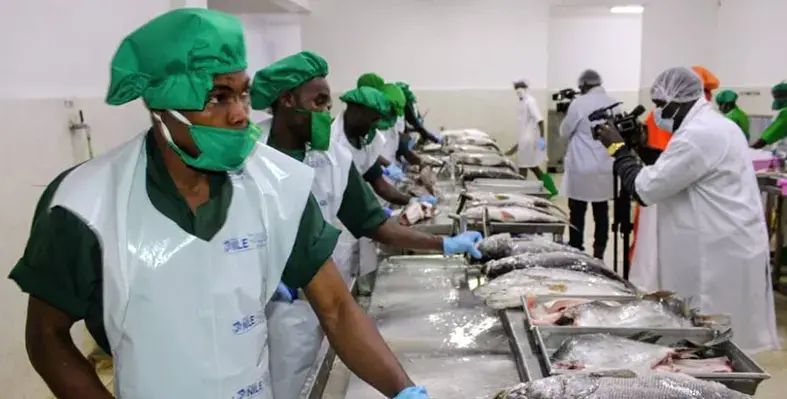
Tanzania is enhancing Lake Victoria’s ecosystem. (Image credit: Presswire)