


cb.web.local

twitter linkedin acp contact

Aquaculture

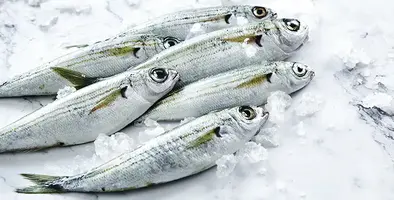
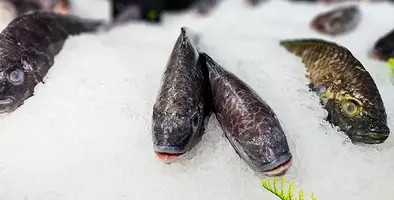
Sardines play a critical role in Morocco’s food system.

Morocco, recognised globally as one of the leading producers and exporters of sardines, has announced a major policy shift that will reshape its fisheries and seafood trade landscape.

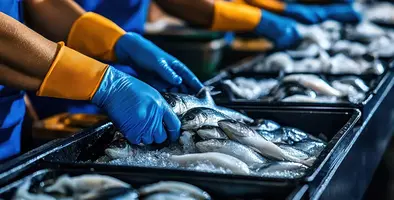
From 1 February 2026, the country will ban the export of frozen sardines, a move aimed at safeguarding domestic supply, easing pressure on household food budgets, and restoring balance in national fish markets. The decision was confirmed by Zakia Driouich, Secretary of State for Maritime Fisheries, who described the measure as necessary to address growing supply constraints.

The policy change comes amid a marked decline in sardine landings in recent years. Data from the National Fisheries Office (ONP) shows that catches fell by almost 46 per cent between 2022 and 2024, dropping from roughly 965,000 tonnes to about 525,000 tonnes. This contraction has intensified competition for available fish, pushing up prices and reducing availability across several regions during 2025. As a result, authorities have been under mounting pressure to intervene.

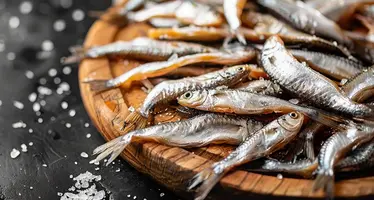
Sardines play a critical role in Morocco’s food system, serving as a low-cost, nutrient-rich protein source for millions of people, particularly those in low- and middle-income households. They account for an estimated 80 per cent of the country’s small pelagic fish stocks, making them central to both food security and the wider fisheries economy. However, rising domestic demand, coupled with climate variability, environmental stress and prolonged overfishing, has placed these resources under significant strain. The export ban is therefore intended to rebalance supply and demand while ensuring consistent access for local consumers.

Another key objective of the export suspension is to limit price volatility, especially during periods of peak consumption such as Ramadan, when demand for sardines traditionally increases. While Moroccan authorities have reiterated that fish prices are influenced by market forces, they have also stepped up efforts to tackle speculation, illegal fishing, and unfair trading practices that contribute to inflated retail prices.

Although no fixed end date has been announced, the policy has sparked debate within the seafood industry about the trade-off between domestic food security and export-driven revenue growth. Despite the freeze on frozen sardine exports, Morocco remains a major global seafood exporter, supplying markets across Europe, Asia and the Middle East.

Alongside the ban, the government is advancing wider reforms focused on sustainable fisheries management, including stronger monitoring systems, improved coastal planning, and tougher action against illegal fishing. Together, these measures signal a long-term strategy to protect marine ecosystems while reinforcing national food security.

Fisheries Development Surges Under PROFISHBLUE.

A major African Development Bank Group–funded programme is transforming fisheries management and boosting regional trade, improving the lives of nearly three million people across Southern Africa.

The Program for Improving Fisheries Governance and Blue Economy Trade Corridors (PROFISHBLUE) has revitalised aquatic resource management and expanded cross-border fish commerce, with trade volumes now exceeding 500,000 tonnes over the past four years. This progress is driving job creation, strengthening food security, and enhancing climate resilience across 16 Southern African Development Community (SADC) nations.

Backed by a $9.2 million ADF 15 grant, the initiative has delivered training, equipment, and technical support to more than 250,000 beneficiaries across seven African Development Fund countries: the Democratic Republic of Congo, Madagascar, Malawi, Mozambique, Tanzania, Zambia, and Zimbabwe. Capacity-building programmes have covered a wide range of areas, including fish value chain development, post-harvest utilisation, SME growth, genetic improvement of indigenous tilapia species, policy harmonisation, and nutrition-focused fish product development. Support has also extended to fish stock assessments in shared water bodies, vessel monitoring systems, and improved collection of catch statistics.

During World Fisheries Day on 21 November, SADC, the African Development Bank Group, and partner organisations gathered in Gaborone to highlight the programme’s achievements since its 2022 launch. The celebration showcased tangible improvements in regional fish value chains and stronger consumer markets linked to enhanced governance and blue economy investment.

Domingos Gove,Director speaking for SADC Deputy Secretary for Regional Integration Angele Makombo Ntumba, said: "We are indebted to the African Development Bank Group for providing funding to implement this project within the Blue Economy space. This support has demonstrated our capacity to improve aquatic food systems for the benefit of over 380 million people in the region."

 Neeraj Vij,The African Development Bank’s Regional Sector Manager for Feed Africa Operations for Southern Africa,added: "The PROFISHBLUE project has shown best practices in regional integration of blue economy trade corridors and cross-border fish trade… This project demonstrates how strategic investment in fisheries governance can create competitive value chains that provide jobs and livelihoods while eradicating extreme poverty, especially in rural areas."

Key partners including FAO, UNIDO, WWF, WorldFish and ARSO have contributed crucial expertise. Regional leaders praised the programme’s role in providing a platform for shared learning, with testimonials from women in fisheries underscoring its inclusivity. One participant from Tanzania reflected: "We embarked on an investment journey that few smallholder entrepreneurs would consider piloting technology in seaweed farming. We appreciate the opportunity..."

Aquatic foods play a vital role in providing high-quality protein and essential nutrients needed to combat malnutrition.

A new partnership between the Food and Agriculture Organization of the United Nations (FAO) and the European Union (EU) has been launched to improve access to safe, affordable, and nutritious aquatic foods for vulnerable communities across Africa and Latin America

The initiative, titled New Aquatic Food Value Chains for Sustainable Healthy Diets in Fragile Contexts (NAVAC), aims to enhance food security, support local economies, and drive innovation within aquatic food systems.

Backed by a €20mn contribution from the EU and an additional US$500,000 from FAO’s Technical Cooperation Programme, NAVAC will run from 2025 to 2030 in Chad, Guinea-Bissau, Mauritania, South Sudan, and Colombia.

“The main aim of NAVAC is to expand the supply of sustainable, affordable, safe and nutritious aquatic foods and ensure that it reaches nutritionally vulnerable populations while at the same time providing economic benefits to local communities through Blue Transformation innovations in aquatic food value chains,” said Godfrey Magwenzi, Deputy Director-General of FAO.

Aquatic foods play a vital role in providing high-quality protein and essential nutrients needed to combat malnutrition, particularly among children, pregnant women, and other at-risk groups. Despite their benefits, these resources often remain underutilised in national food and nutrition strategies.

NAVAC is closely aligned with FAO’s Four Betters – Better Production, Better Nutrition, a Better Environment, and a Better Life – ensuring that no one is left behind. It also contributes to FAO’s Blue Transformation agenda, which seeks to build more sustainable, inclusive, and resilient aquatic food systems.

“NAVAC promotes innovative and integrated approaches to value chain development, from ‘net to plate’, ensuring that interventions advance food security and nutrition outcomes, strengthen livelihoods and enhance environmental sustainability,” said Annette Schneegans, Deputy Permanent Representative of the European Union to FAO. “It reflects the European Union’s commitment to the Global Gateway strategy,” she added.

FAO will lead the project in collaboration with the Technical University of Denmark. Initial efforts will focus on assessing aquatic food value chains in each target country to identify opportunities and challenges. Based on these insights, the project will design tailored strategies to improve production, processing, and distribution, ensuring that nutritious aquatic foods reach those who need them most.

Drawing on lessons from the FISH4ACP initiative, NAVAC aims to strengthen fisheries and aquaculture sectors, helping rural communities achieve better nutrition, income stability, and sustainable livelihoods.

The call is clear: responsible use of antibiotics isn’t optional—it’s essential for the future of aquaculture.

The Federal Ministry of Livestock Development (FMLD) has issued a strong warning to fish farmers in Nasarawa over the excessive and improper use of antibiotics in aquaculture, citing severe consequences for human health, aquatic ecosystems, and the long-term sustainability of fish production.

Speaking at an Antimicrobial Resistance (AMR) awareness workshop in Lafia, Samuel Anzaku, Director of Veterinary Public Health and Epidemiology at the ministry, stressed the urgent need for farmers to curb the misuse of antibiotics in fish ponds.

“When we misuse antibiotics, we aren’t just harming fish—we’re harming ourselves,” Anzaku cautioned. “Antibiotic residues in fish sold before the end of the withdrawal period can enter the food chain, fuelling antimicrobial resistance and endangering public health.”

The sensitisation event, backed by the Fleming Fund and coordinated through the University of Liverpool, forms part of a global push to combat AMR in food systems.

Maureen Kajo-Kokoiwen, programme coordinator and Fleming Fund Fellow, warned that antibiotic overuse is a fast-rising threat to food safety and global health.

“Farmers must stop relying on unverified treatment advice or medicating fish without veterinary guidance,” she said. “Skipping drug withdrawal periods doesn’t just risk consumers—it also contaminates water systems and damages aquatic biodiversity.”

The workshop struck a chord with local producers. Manasseh Usman, President of the Nasarawa Fish Farmers and Processors Association, praised the initiative.

“This is the kind of knowledge we need,” he said. “Many farmers don’t realise how much harm poor antibiotic practices can cause. With over 130 members in our association, we’re ready to take this message across Nasarawa.”

As Nigeria’s aquaculture sector continues to grow, experts warn that sustainable antibiotic stewardship will be key to protecting fish stocks, safeguarding human health, and maintaining public confidence in local farmed fish.

The call is clear: responsible use of antibiotics isn’t optional—it’s essential for the future of aquaculture.

The project is creating new economic opportunities and empowering local communities.

The Livestock and Fish Farming Value Chain Development Project (PD-CVEP), funded by the African Development Bank (AfDB) with €84 million, is transforming fish farming in Cameroon, particularly along the coast and southwestern regions

Implemented by the Ministry of Livestock, Fisheries and Animal Industries, the project is creating new economic opportunities and empowering local communities, with a focus on women and youth.

A key factor in the project’s success is a specially developed strain of African catfish (Clarias) created by the Agricultural Research Institute for Development. This new breed grows faster, has lower fat content, and higher fry survival rates. Farmers can now harvest in five to six months, instead of eight to nine, with survival rates of 80–85%, up from around 60%. Each female can produce 15,000–20,000 fry per cycle, with up to three cycles annually.

During the project’s initial phase, 2,600 broodstock were distributed to 50 pilot hatcheries, producing and selling over 115,000 fry since October 2024. While most hatcheries performed strongly, some broodstock required an additional three months of growth before full use.

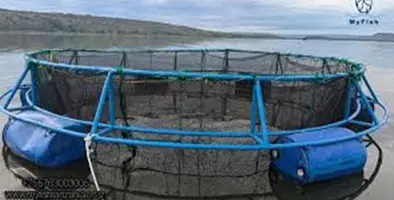
Alongside broodstock distribution, 280 fish farmers received training across the entire aquaculture value chain, covering floating cage farming, hatchery management, feed formulation, and business operations. The training aims to improve technical skills, resilience, and product quality.

The project plans to increase Cameroon’s annual fish production by 10,000 tonnes by 2027, reducing reliance on imports and strengthening food security. To expand the gene pool, an AfDB mission in April 2025 recommended adding 12,000 Clarias and 3,000 tilapia broodstock, which are set for delivery under a new agreement.

A collaborative partnership between the Research Institute, the Project, and the Ministry works closely with regional fish farming associations. Regular monitoring, quarterly technical reports, and digital data collection ensure traceability, quality, and consistent performance.

Farmers and vendors are already benefiting. In Douala, the new catfish remains firm and flavoursome, helping sellers earn higher income. Improved market infrastructure—such as hygienic counters, ice access, running water, and better security—is enhancing sales and dignity for vendors.

Overall, PD-CVEP demonstrates a sustainable, inclusive development model that strengthens Cameroon’s rural economy through innovation, capacity building, and modern aquaculture practices.

More Articles …