Masheda Foods Limited has broken ground on a UGX60bn (approximately US$16mn) aquafeed manufacturing plant in Buyala, Mpigi District, Uganda
The facility is designed to produce feed for tilapia and African catfish. Backed by the Uganda Development Corporation (UDC), the project aims to increase domestic feed production and reduce the country's dependence on imported supplies.
The investment addresses a major cost for fish farmers. According to Masheda's Managing Director Marvin Lwasa, feed accounts for approximately 75% of fish production costs in Uganda. High prices have also affected the smaller producers' ability to raise fish to marketable size. Fish farmers in Luwero, for example, have previously reported that expensive feed limits harvest weights and reduces potential earnings.
New capacity for local fish feed production
The plant will have an installed production capacity of eight tonnes per hour, with annual output expected to reach approximately 33,600 tonnes. Masheda has indicated that capacity could eventually increase to 58,000 tonnes as demand develops.
Lwasa said locally manufactured feed could be more than 40% cheaper than prevailing market prices, depending on production and market conditions. The estimate offers a potential cost advantage for fish farmers, although the eventual benefit will depend on the prices charged and the nutritional quality of the finished products.
The project is being developed with substantial government backing. UDC has invested UGX26bn in Masheda and committed a further UGX30bn, bringing its planned contribution to approximately UGX56bn. The total project cost is estimated at UGX60bn.
Agricultural inputs and alternative protein
The plant is also expected to create additional demand for locally produced agricultural raw materials, particularly maize and soybeans, which will be used in feed manufacturing. Using domestic crops in feed manufacturing could strengthen links between crop producers and aquaculture businesses, and retain more processing activity within Uganda.
The investment also includes a Black Soldier Fly production facility designed to process around 30 tonnes of organic waste daily into alternative protein ingredients for animal feed. Insect-derived protein could provide an additional feed ingredient, while using organic waste as a production input.
Masheda expects the facilities to create at least 100 additional direct jobs. Opportunities are also anticipated for agricultural suppliers and businesses involved in transport and logistics.
Feed quality remains central to the investment
Lower feed prices alone will not determine the project's value. At the groundbreaking ceremony, Minister of State for Fisheries Robert Migadde Ndugwa stressed the importance of feed quality, saying affordable products must also deliver the nutrients needed for fish growth, survival and efficient feed conversion.
The Ministry of Agriculture, Animal Industry and Fisheries intends to provide technical guidance, extension services, feed assessment and production advice. Migadde also outlined plans for a partnership with Masheda to supply quality fish fingerlings to farmers across the country.
The company is working towards completing the facilities and beginning operations by February 2027. Once production starts, the plant's ability to supply consistent, nutritionally suitable feed at competitive prices will be important in determining whether local manufacturing can ease a longstanding cost burden for Uganda's fish farmers.
Uganda invests UGX60bn in new aquafeed manufacturing plant
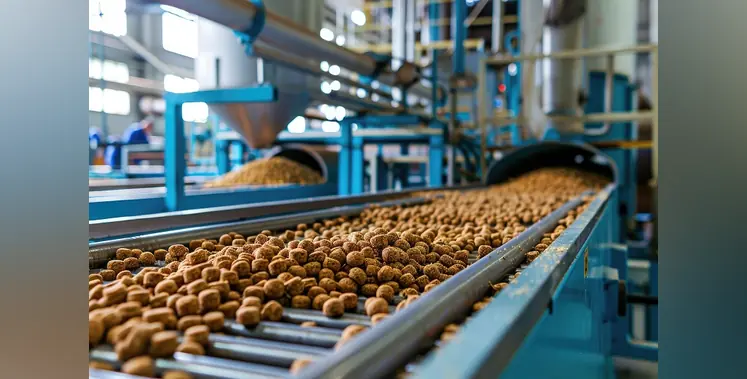
A new Masheda Foods aquafeed manufacturing plant in Uganda will produce up to 33,600 tonnes of aquafeed annually, targeting lower feed costs and greater use of locally sourced agricultural ingredients.